
"small seed coffee"
7000 article(s) found

Planting situation of fine coffee beans in humid Yunnan A brief introduction to the geographical location, climate and altitude
Coffee is a short-day plant. Coffee has the characteristics of multiple flowering and concentrated florescence. The florescence of small seed coffee in Yunnan is 27 months, and the flowering period is 35 months. The flowering of coffee is greatly affected by climate, especially rainfall and temperature. Coffee flowers have a short life span of only 23 days. Small seed coffee usually opens at 35: 00 in the morning and blooms at 57: 00. Typica: Ethiopia
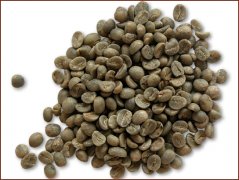
Photo of Yunnan small seed Coffee Raw Bean (Arabica)
Photo of Yunnan small seed Coffee Raw Bean (Arabica)

A brief introduction to the treatment method of grinding degree and baking degree of soft and smooth Yunnan boutique coffee beans
Coffee is a short-day plant. Coffee has the characteristics of multiple flowering and concentrated florescence. The florescence of small seed coffee in Yunnan is 27 months, and the flowering period is 35 months. The flowering of coffee is greatly affected by climate, especially rainfall and temperature. Coffee flowers have a short life span of only 23 days. Small seed coffee usually opens at 35: 00 in the morning and blooms at 57: 00. Typica: Ethiopia

A brief introduction to the treatment method of grinding degree and baking degree of Yunnan fine coffee beans with humid climate
Coffee is a short-day plant. Coffee has the characteristics of multiple flowering and concentrated florescence. The florescence of small seed coffee in Yunnan is 27 months, and the flowering period is 35 months. The flowering of coffee is greatly affected by climate, especially rainfall and temperature. Coffee flowers have a short life span of only 23 days. Small seed coffee usually opens at 35: 00 in the morning and blooms at 57: 00. Typica: Ethiopia

A brief introduction to the History and Culture of the Origin and Development of Yunnan Fine Coffee beans with humid Climate
Coffee is a short-day plant. Coffee has the characteristics of multiple flowering and concentrated florescence. The florescence of small seed coffee in Yunnan is from February to July, and the flowering period is from March to May. The flowering of coffee is greatly affected by climate, especially rainfall and temperature. Coffee flowers have a short life span of only 2-3 days. Small seed coffee usually opens at 3: 5 in the morning and blooms from 5 to 7 o'clock. Tibica (Typica)

Where is Yunnan small seed coffee mainly produced?
The western and southern parts of Yunnan Province are located between 15 N and the Tropic of Cancer, most of which are 1000-2000 meters above sea level. The topography is dominated by mountains and slopes, with large ups and downs, fertile soil, sufficient sunshine, rich rainfall and large temperature difference between day and night. These unique natural conditions form the special taste of Yunnan small-grain coffee, which is strong but not bitter, fragrant but not strong, slightly fruity. As early as fifty

Introduction to three kinds of high-quality coffee beans
At present, the main species of coffee plants growing in different regions of the world include the following: ARABICA/ROBUSTA/LIBERICA/DEWEVREI/STENOPHILLA/CONGENSIS/ABEOKUTAS/KLAINII/ZAANGUEBARIAE/RACEMOSA. Among them, the most commonly used coffee is divided into three categories: small seed coffee beans (Arabica) and medium seed coffee beans (Robusta).

Description of Flavor of Yunnan small-grain Coffee Huaguoshan Coffee introduction to the characteristics and prices of varieties
Small-grain coffee is suitable for growing in the mountains at an altitude of 800 to 1800 meters. If the altitude is too high, it will taste sour, and if it is too low, it will taste bitter. Small grains of coffee are mostly planted in dry and hot valleys about 1100 meters above sea level, so they are moderately sour, rich and mellow. There is a unique environment suitable for the growth of small seed coffee in many areas of Yunnan, and the quality of small seed coffee is excellent. The planting area is mainly distributed in the
Coffee cultivation and cultivation Coffee cultivation techniques and techniques Introduction to the process of coffee green beans cultivation
(a) seedling propagation coffee seedling propagation can be divided into seed propagation and asexual propagation. 1. Seed propagation (1) Seed collection, seed washing and seed storage In the mature period of coffee (the mature period of medium seed coffee in Hainan Island is 2~3 months, and the mature period of small seed coffee is 9~11 months), fully mature fruits are picked from healthy and high-yield mother trees to make seeds. After the fruits are picked, peeling and seed washing are carried out immediately.
Coffee plant article coffee beans growing process when coffee flowers bloom?
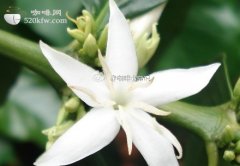
Coffee plants: several to dozens of clusters in leaf axils, the second to fifth flowers on a flower axis. White, fragrant. The middle and small seeds have 5 petals, and the large seeds have 7 - 8 petals. Flowers tubular, terete. The stamen number is many and petal number is same, stamen stigma is bifid, ovary inferior, it is 2 rooms commonly, also have 1 room or 3 rooms. Insect-matchmaking flower, large seed and small seed

Cultivation techniques of Coffee Tree Seedling Propagation and Establishment of Coffee Garden
(1) Seedling propagation Coffee seedling propagation can be divided into seed propagation and asexual reproduction. 1. Seed propagation (1) seed collection, seed washing and seed storage during the full ripening period of coffee (the full ripening period of medium-grain coffee in Hainan Island is from February to March, and that of small seed is from September to November). The fully ripe fruits are picked from strong and high-yielding mother trees to make seeds. After the fruit is harvested, peel and wash the seeds immediately. The method is to remove the fruit.
Introduction to three kinds of coffee beans in boutique coffee science
At present, the main species of coffee plants growing in different regions of the world include the following: ARABICA/ROBUSTA/LIBERICA/DEWEVREI/STENOPHILLA/CONGENSIS/ABEOKUTAS/KLAINII/ZAANGUEBARIAE/RACEMOSA. Among them, the most commonly used coffee is divided into three categories: small seed coffee beans (Arabica) and medium seed coffee beans (Robusta).
Fine coffee beans, small seeds, fresh coffee fruits.
1 scope this part defines the terms and definitions, fruit-picking requirements, grading, packaging, transportation and temporary storage of fresh fruits of small-grain coffee. This part is suitable for Pu'er small seed coffee. 2 normative citation documents the provisions of the following documents become the provisions of this part through the citation of this section. For all dated reference documents, all subsequent revision orders (excluding corrigendum

China coffee origin Yunnan fine coffee beans cultivation market price profile
Yunnan coffee is called Yunnan small coffee, we all know that coffee is divided into three major varieties, Liberica varieties are large seeds, Robstar varieties are medium seeds, Arabica varieties are small seeds, and Arabica varieties have more than 100 branch varieties, such as: the famous bourbon species and iron pickup species, rose summer species, S288, SL34, and the world's unique
Introduction to high-quality coffee
Introduction of coffee [scientific name] small seed species is Coffea arabica L., medium grain species is Coffea canephora, large seed species is Coffea liberica [alias] small seed species, also known as Arabian species, medium seed species is also known as Ganfla species, large grain species are also known as Liberian species, there are two common species: Arabica and Robusta. Coffea, Rubiaceae (Rubia)

Basic knowledge of boutique coffee small seed coffee fresh fruit
1 scope this part defines the terms and definitions, fruit-picking requirements, grading, packaging, transportation and temporary storage of fresh fruits of small-grain coffee. This part is suitable for Pu'er small seed coffee. 2 normative citation documents the provisions of the following documents become the provisions of this part through the citation of this section. For all dated reference documents, all subsequent revision orders (excluding corrigendum
About the coffee fruit.
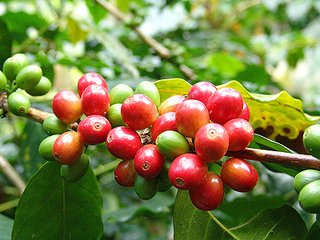
The fruit is a berry, also known as comb fruit. Oval, 9-14 mm long, young fruit green, red at maturity, purplish red. Each fruit generally has two seeds, but also one or three, showing a semi-oval, there is a longitudinal groove, called grooves. The structure of a fruit in which the exocarp consists of a thin layer of hardwood human cells with stomata; the mesocarp (that is, pulp) is large and Lignified by several layers of polygons.

Knowledge of boutique coffee beans introduction to three types of coffee beans
At present, the main species of coffee plants growing in different regions of the world include the following: ARABICA/ROBUSTA/LIBERICA/DEWEVREI/STENOPHILLA/CONGENSIS/ABEOKUTAS/KLAINII/ZAANGUEBARIAE/RACEMOSA. Among them, the most commonly used coffee is divided into three categories: small seed coffee beans (Arabica) and medium seed coffee beans (Robusta).

Yunnan coffee beans southern and southwestern Yunnan small seed coffee beans
Boutique coffee (specialty coffee) is also called specialty coffee selection coffee. It refers to coffee made from a small number of raw beans with excellent taste grown in an ideal geographical environment. Depending on the special soil and climatic conditions in which they grow, they have outstanding flavor. After strict selection and classification, this kind of coffee is hard in texture, rich in taste and stylish.
Boutique coffee basic knowledge coffee fruit
The fruit is a berry, also known as comb fruit. Oval, 9-14 mm long, young fruit green, red at maturity, purplish red. Each fruit generally has two seeds, but also one or three, showing a semi-oval, there is a longitudinal groove, called grooves. The structure of a fruit in which the exocarp consists of a thin layer of hardwood human cells with stomata; the mesocarp (that is, pulp) is large and Lignified by several layers of polygons.